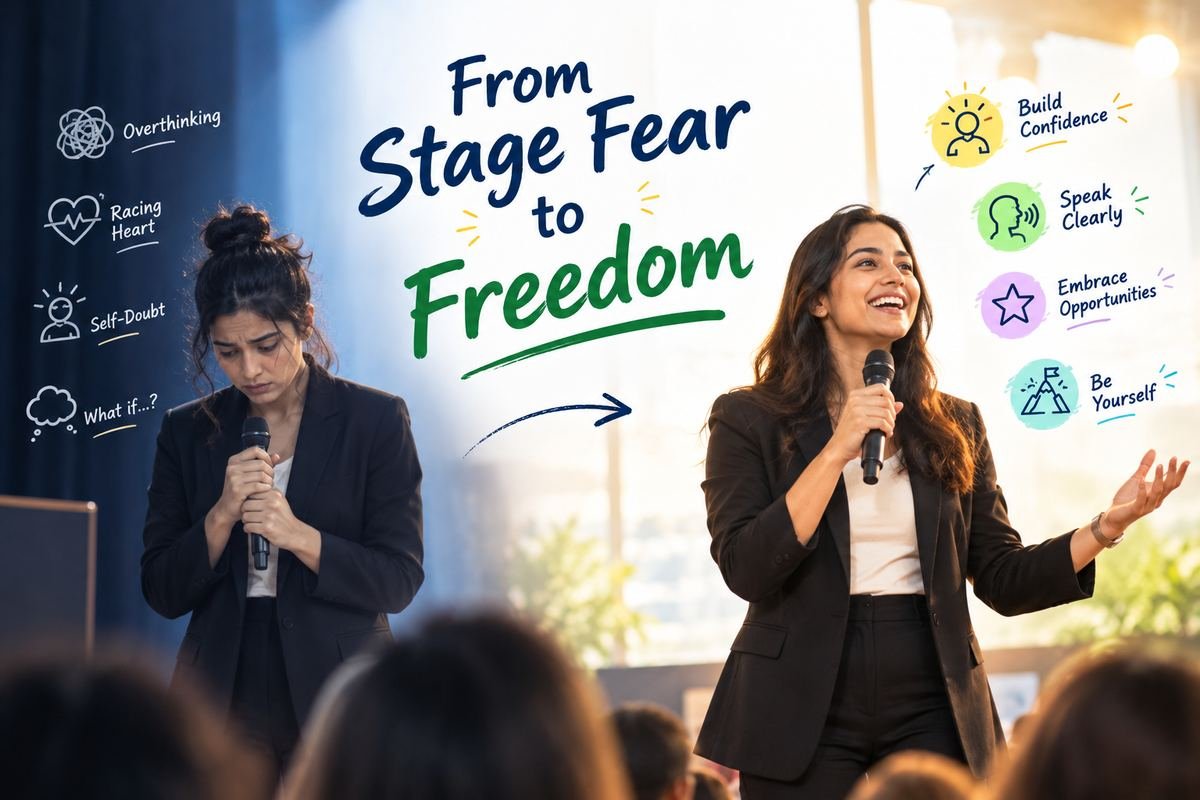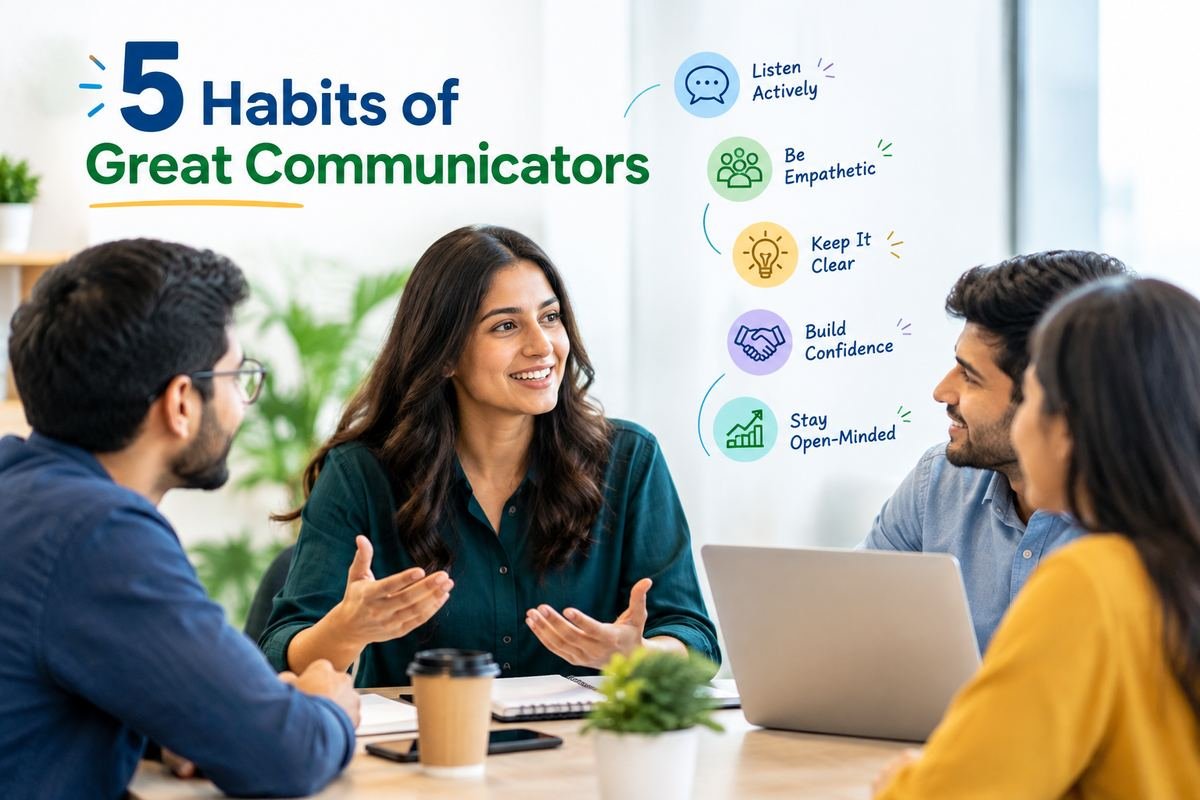
Small changes that double the impact of what you say. None of these habits need talent – only attention and a little daily practice.
1. They listen to understand
Most of us listen while preparing our reply. Great communicators do the opposite: they stay with the speaker until the point is fully understood. Try summarising what you heard before you respond – “So what you’re saying is…”. It slows conversations down in the best possible way and makes the other person feel respected.
2. They lead with the point
Whether it is an email, a pitch or a hallway chat, busy people want the headline first. Start with the conclusion, then add the reason and one example. This simple Point – Reason – Example structure makes you sound clear and confident, even when you are nervous.
“The single biggest problem in communication is the illusion that it has taken place.” – a reminder to always check understanding.
3. They manage their tone and body language
Research suggests that a large share of the message is carried by tone, pace and posture rather than words. Great communicators keep an open posture, steady eye contact and a calm pace. Before an important conversation, take two slow breaths and relax your shoulders – you will notice the difference immediately.
4. They ask better questions
Closed questions end conversations; open questions start them. Replace “Did you finish the report?” with “What is the status of the report and how can I help?”. Curious questions build trust and surface problems early.
5. They welcome feedback
Ask one person every week: “What is one thing I could say or do more clearly?” Then say thank you – not a defence. Over a few months this habit alone can transform how you are perceived at work.
How to practise this week
- Pick one habit and practise it for ten minutes every day.
- Ask a colleague or friend for specific feedback on Friday.
- Record a 60-second voice note on your phone and listen to it critically.
- Write down one conversation that went well and why.
If you would like guided practice with role-plays and personal feedback, explore our Communication Skills training.